Chatty Companions: How to Teach Your Bird to Talk & Top Talking Species
Chatty Companions: How to Teach Your Bird to Talk & Top Talking Species
![[HERO] Chatty Companions: How to Teach Your Bird to Talk & Top Talking Species](https://cdn.marblism.com/GncjvDV1Lt9.webp)
Is there anything more magical than walking into a room and hearing your feathered best friend chirp a cheerful “Hello!” or ask for a treat by name? At Sierra Fish & Pets, we believe that the bond between a pet and their human is something truly special. Our mission has always been about PLEASING CUSTOMERS AND PAMPERING PETS, and nothing says "pampered" like a bird that has the cognitive stimulation and social connection required to start talking!
Teaching a bird to talk isn’t just a cool party trick: it’s a deep form of enrichment that builds an unbreakable bond. If you’ve ever wondered which birds have the most to say or how you can encourage your own "Chatty Cathy" to start mimicking your phrases, you’ve come to the right place. Grab a perch, and let’s dive into the wonderful world of avian communication!
The Brainy Bunch: Top Talking Bird Species
Before you start your training sessions, it helps to know which species are naturally inclined to be the "valedictorians" of the bird world. While every individual bird is different, some species are legendary for their vocal gymnastics.
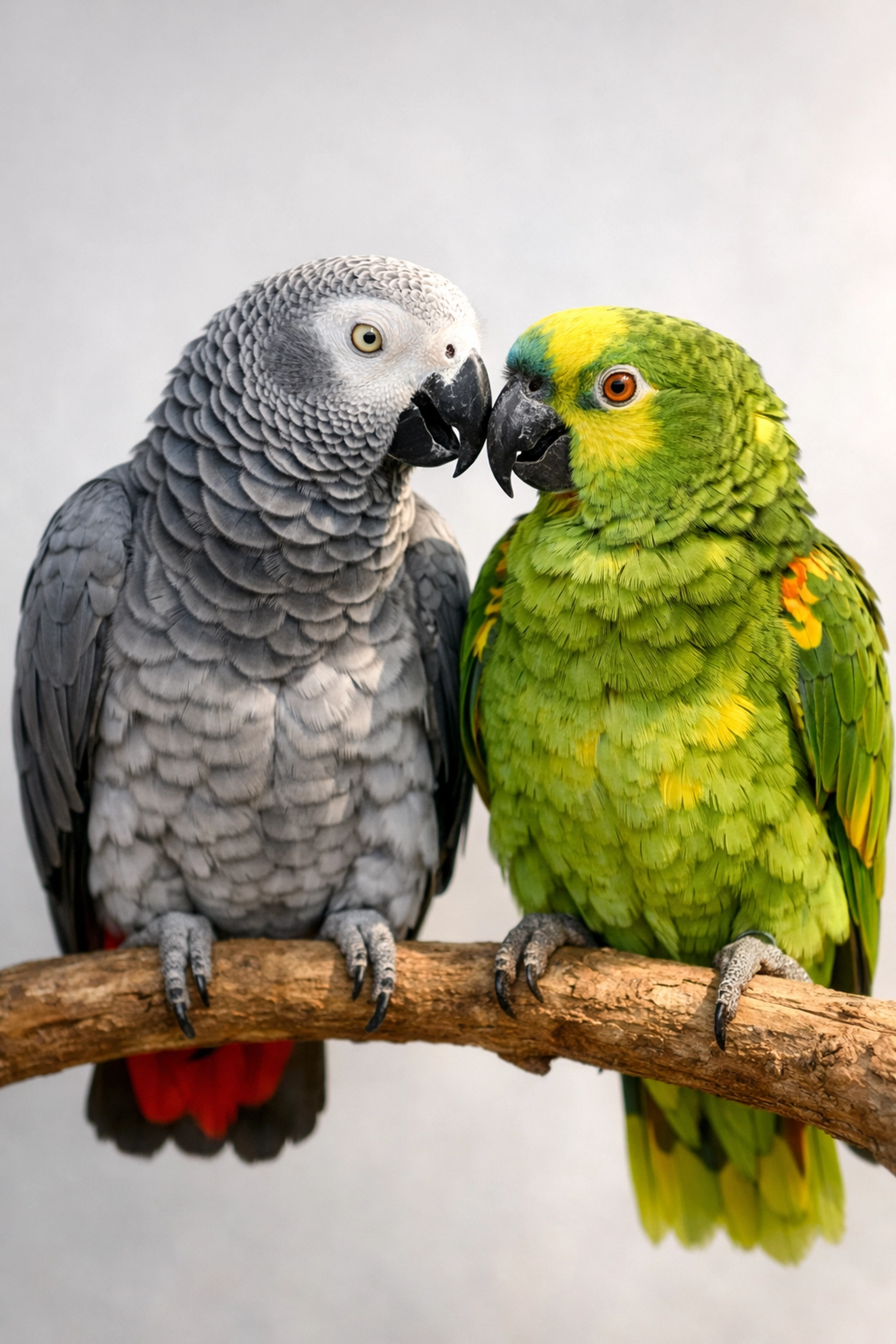
1. The African Grey: The Einstein of the Bird World
When people think of talking birds, the African Grey is usually the first that comes to mind. These birds are PAWSITIVELY brilliant. They don’t just mimic sounds; they often understand the context of the words they use. An African Grey might say "Goodnight" specifically when the lights go out or ask for a "Nut" only when they see the snack jar.
2. Amazon Parrots: The Life of the Party
Amazons are famous for their loud, boisterous personalities and their incredible ability to sing! If you want a bird that can belt out an opera or mimic your favorite pop song, an Amazon is a top contender. They are incredibly social and love being the center of attention.
3. Budgies (Parakeets): The Surprise Talkers
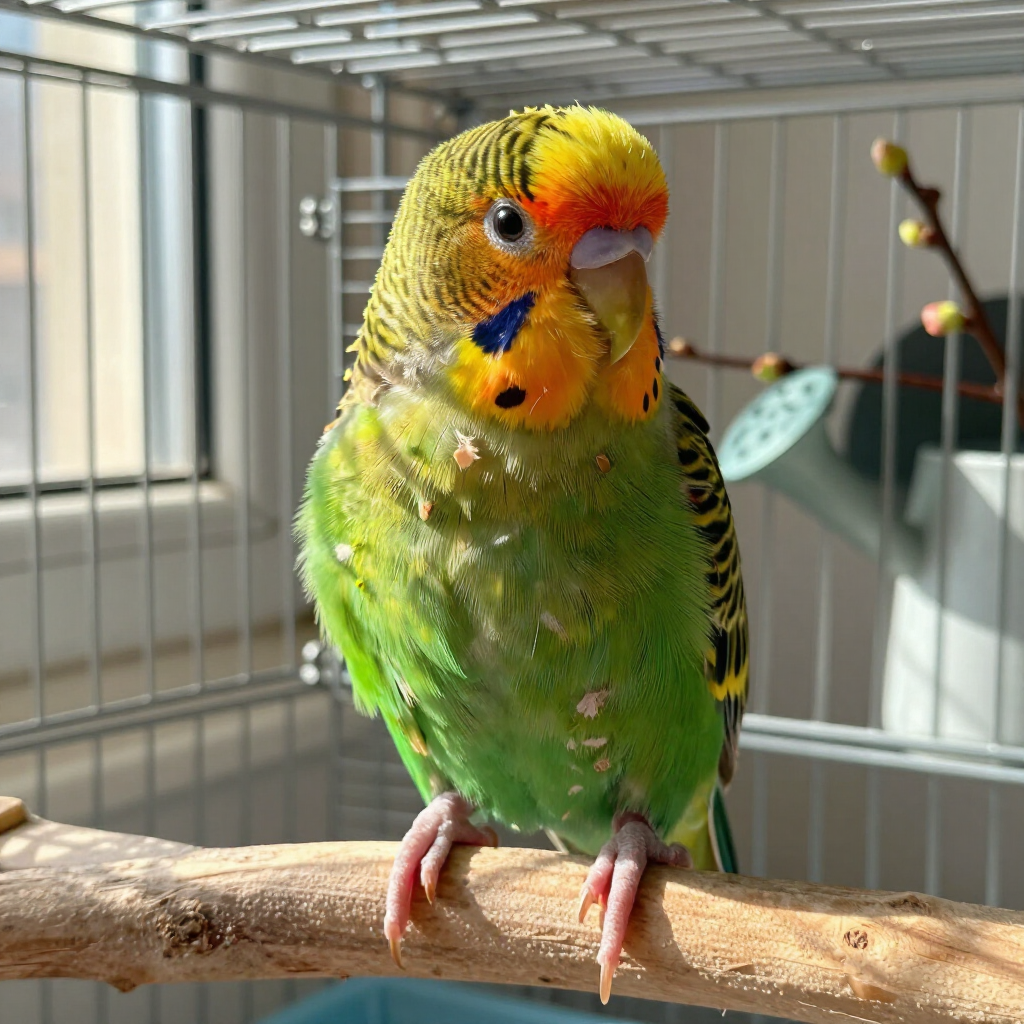
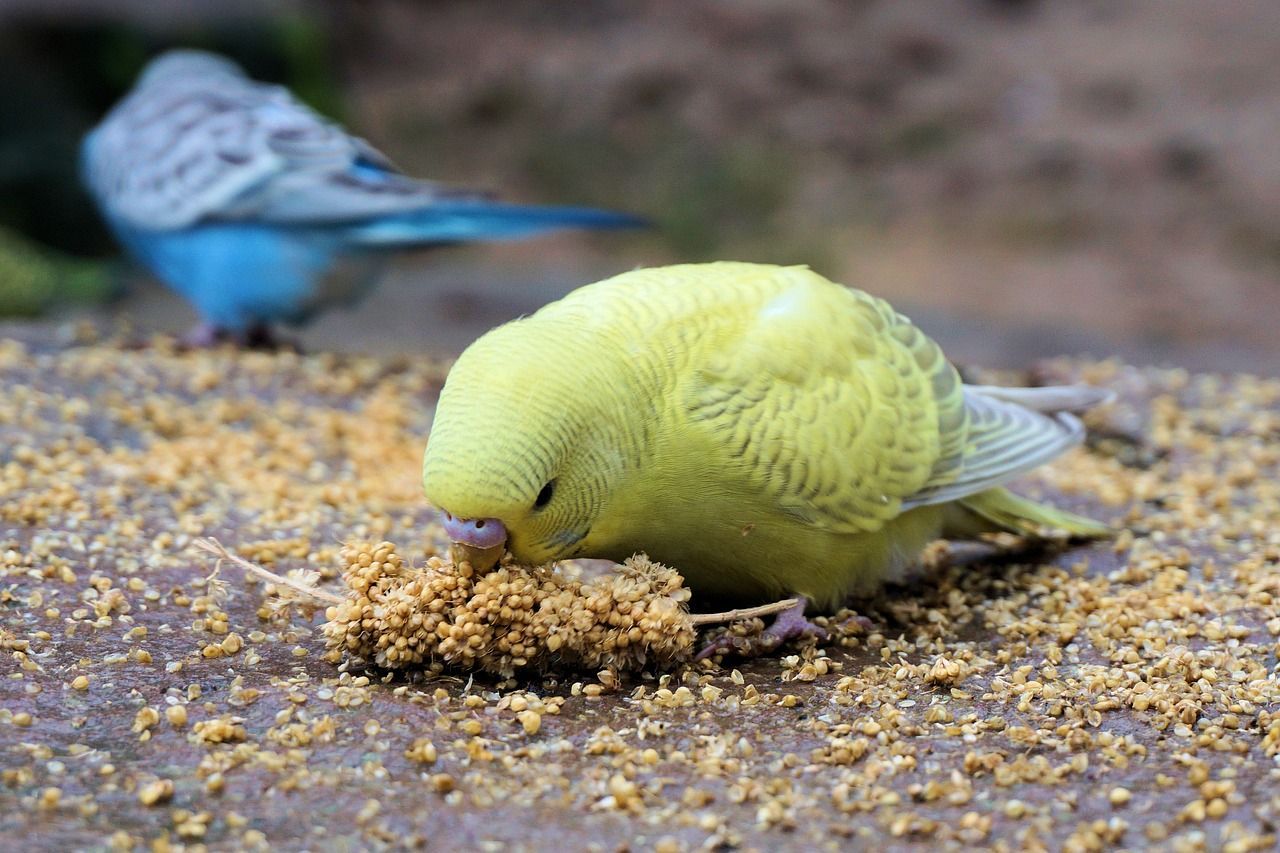
Don’t let their small size fool you! Budgies actually hold world records for the largest vocabularies. Their voices are a bit tiny and gravelly, but they can learn hundreds of words and phrases. They are the LATEST GREATEST choice for families looking for a smaller companion with a big personality.
4. Cockatiels: The Master Whistlers
While Cockatiels might not have the clear speech of a Grey, they are world-class whistlers. They love to mimic tunes, doorbells, and microwave beeps. Many can learn to say "Pretty Bird" or their own names with a sweet, melodic tone.
How to Teach Your Bird to Talk: Pro Tips for Success
Teaching a bird to speak requires patience, love, and a bit of strategy. It’s a social game, and at Sierra Fish & Pets, we want to make sure you have the right tools to succeed. Here are our top tips for getting those first words flowing:
Build a Strong Foundation of Trust
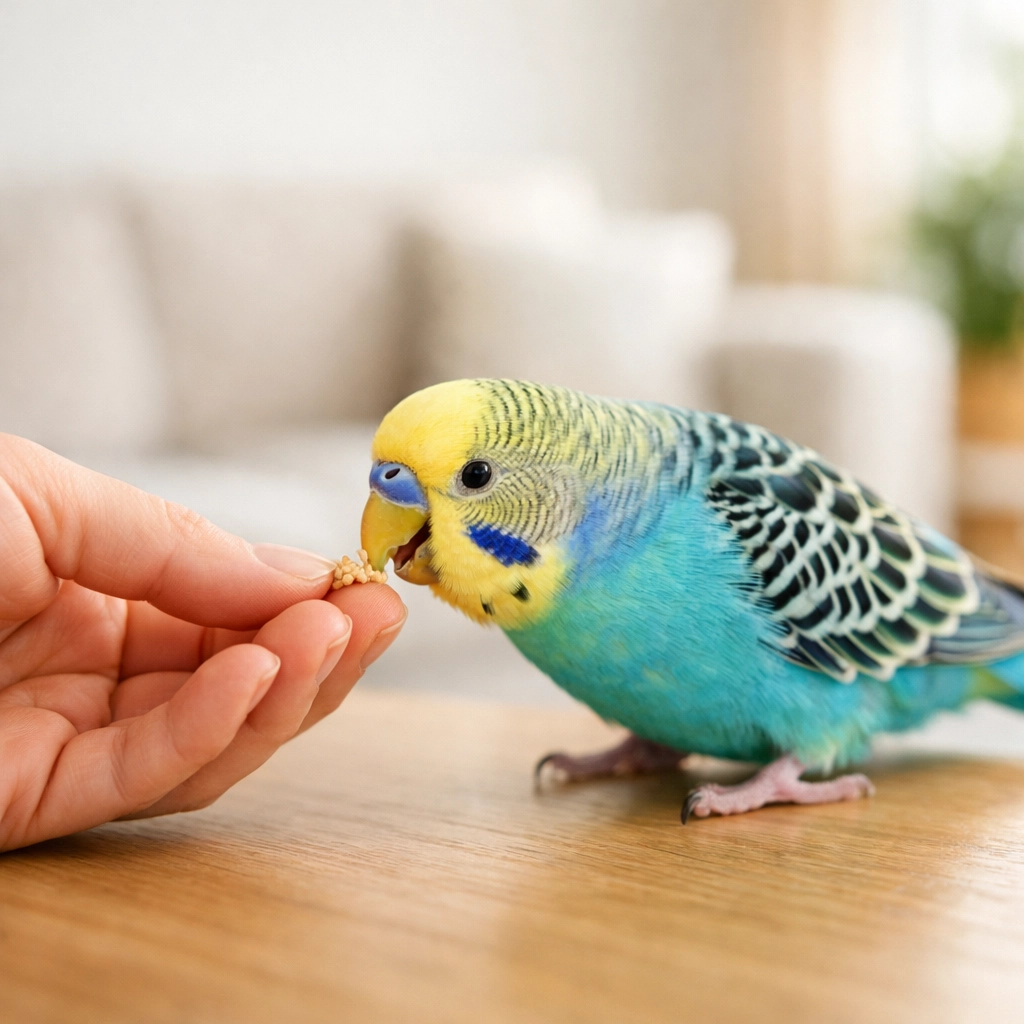
A bird won't talk to someone they don't trust. Bonding is the most important first step. Spend time near their cage, talk to them in a soothing voice, and offer treats from your hand. When your bird sees you as a member of their "flock," they will be much more eager to communicate with you.
Use the "Power of Words"
Research shows that birds learn best when they understand that words give them power over their environment. This is often called the "Alex Method" (named after the famous African Grey, Alex). Instead of just repeating "Hello" over and over, try teaching words associated with actions or items:
- Say "Apple" every time you give them a slice of fruit.
- Say "Up-Up" every time you ask them to step onto your hand.
- Say "Night-Night" when you cover their cage. When the bird realizes that saying "Apple" actually gets them an apple, they’ll be much more motivated to speak up!
Sentence Framing and Repetition
Birds and humans have something in common: we tend to remember the words at the end of a sentence best. Try putting the target word at the end. Instead of saying, "Is this a pretty bird?", try saying, "You are a PRETTY BIRD!" Keep your sessions short: about 10 to 15 minutes twice a day: to keep your feathered friend from getting bored.
Location, Location, Location!
Keep your bird in common family areas. Birds are social creatures that learn by watching and listening to their flock members (that’s you!). Placing their cage in the living room or dining area allows them to soak up the daily conversation.
Fueling the Brain: Nutrition is Key
You can't expect a high-performance brain to work on low-quality fuel! A healthy and happy bird is a smart bird. At Sierra Fish & Pets, we are big believers that a bird’s diet directly impacts their ability to learn and interact. If your bird is feeling sluggish or malnourished, they won't have the energy for training.
We recommend moving away from a strictly seed-based diet, which can be high in fat and low in essential vitamins. Instead, focus on high-quality pellet brands that we carry and trust:
- Harrison's Bird Foods: Often recommended by avian vets, this organic, non-GMO formula provides the premium nutrition needed for cognitive function.
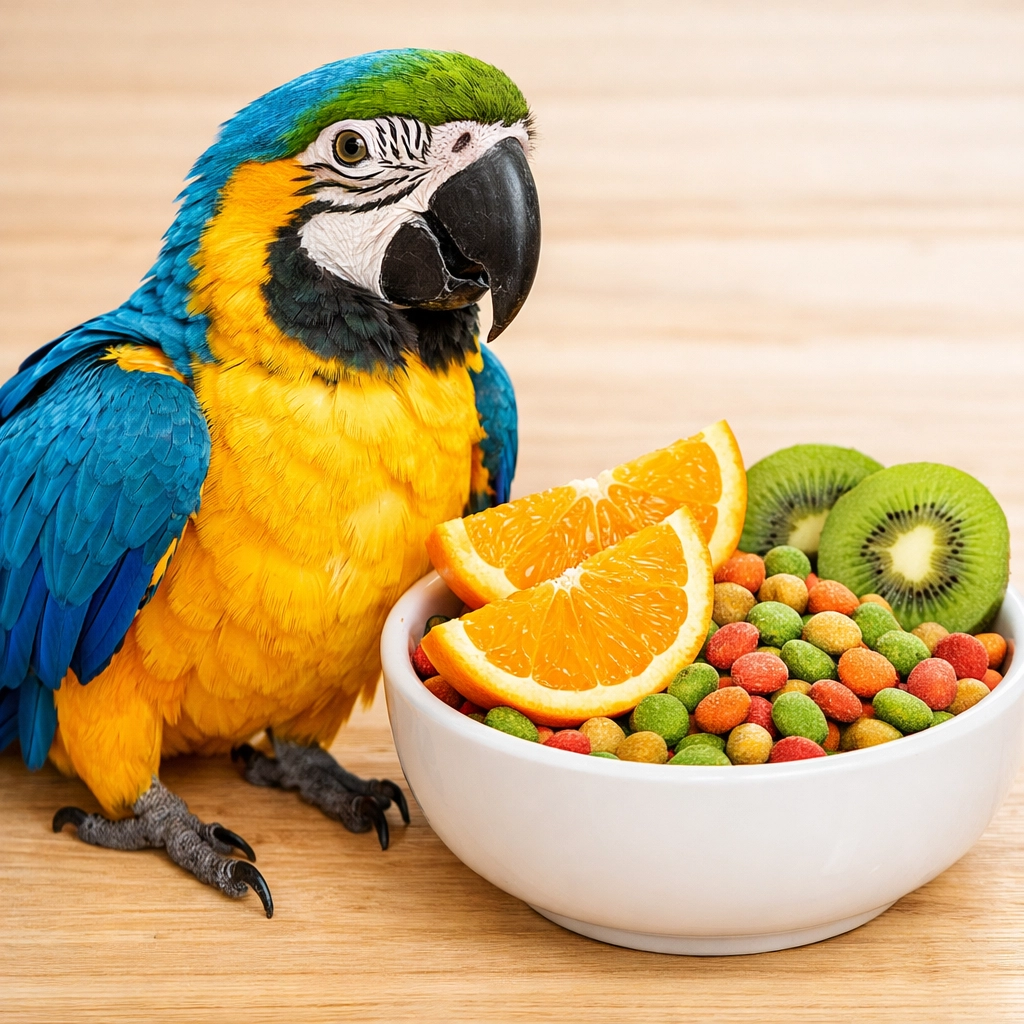
- Zupreem: A fan favorite that comes in fun shapes and colors to keep your bird engaged during mealtime.
- Volkman: Perfect for adding variety and high-quality grains to their diet.
Stop by our store or check out www.sierrafishandpets.net to find the perfect blend for your specific species. A well-fed bird is a chatty bird!
Creating a Stimulating Environment
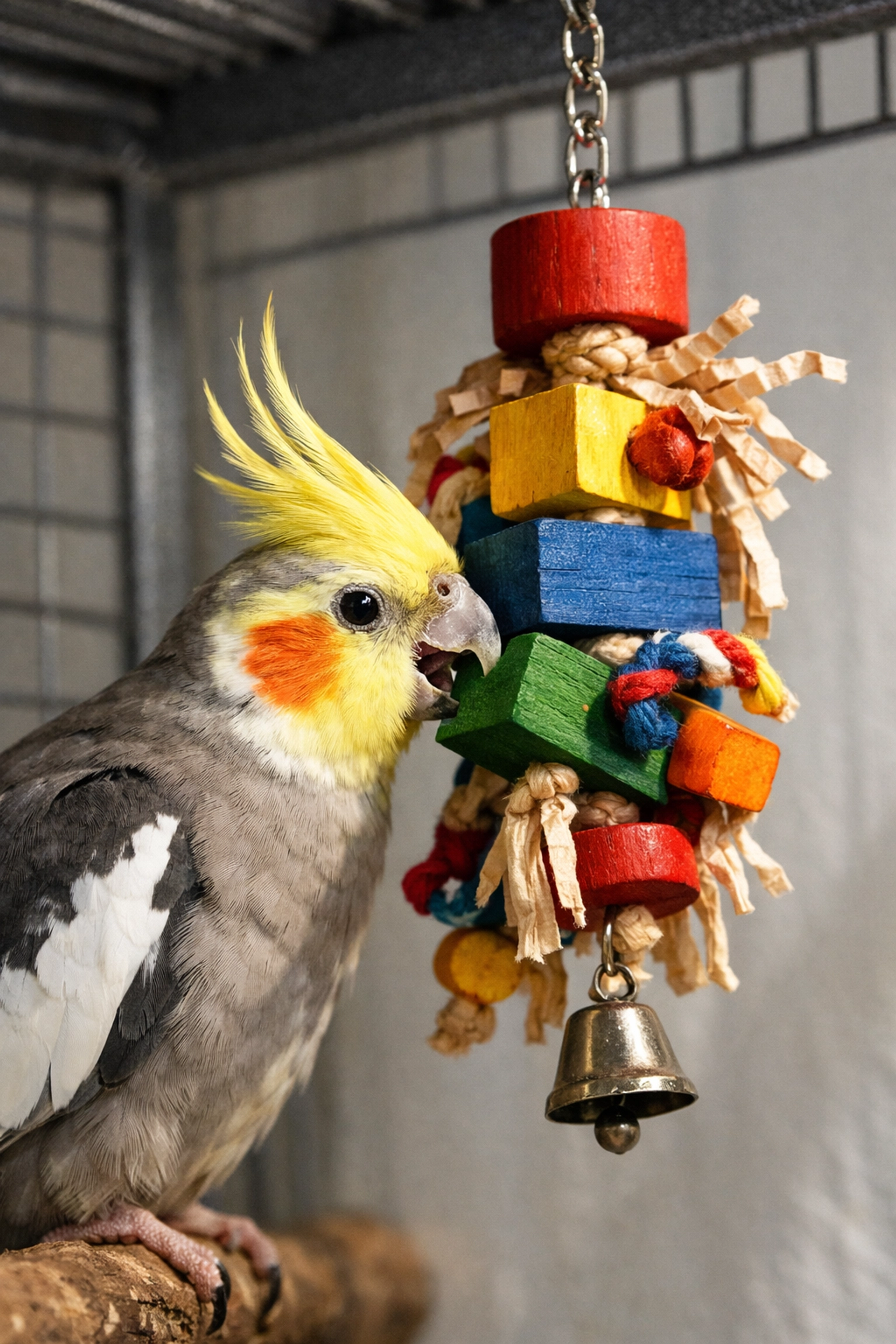
In addition to great food, your bird needs "brain toys" to stay sharp. Foraging toys, puzzles, and colorful chewables keep their minds active when you aren't around. If a bird is bored, they might become quiet or develop behavioral issues. Think of toys as the "homework" that keeps their brain ready for "class" (your talking sessions).
Reinforce Every Effort
When your bird makes a sound that even vaguely resembles the word you're teaching, celebrate! Give them a small treat, a head scratch, or an enthusiastic "Good job!" Positive reinforcement creates a joyful learning environment where your bird feels encouraged to keep trying.
Join the Sierra Fish & Pets Community
Whether you are a first-time budgie owner or a seasoned parrot enthusiast, we are here to support your journey. We don't just sell supplies; we offer a community dedicated to the well-being of every animal that walks, swims, or flies through our doors.
If you’re looking for the LATEST GREATEST bird toys, the healthiest food options like Harrison's and Zupreem, or just some friendly advice on how to handle a stubborn Macaw, come see us! Our team is passionate about helping you achieve that perfect bond with your pet.
Quick Summary for the Busy Bird Parent:
- Start Small: Choose words like "Hello," "Bye-Bye," or your bird's name.
- Be Consistent: Use the same tone and pitch every time.
- Bond First: Trust is the secret ingredient to speech.
- Diet Matters: Fuel their brain with Harrison's, Zupreem, and Volkman.
- Keep it Fun: If you're having fun, your bird will too!
Ready to start your training journey? Head over to www.sierrafishandpets.net to stock up on all your bird essentials. We can't wait to hear what your feathered friends have to say!
Remember, at Sierra Fish & Pets, we are committed to Pleasing Customers and Pampering Pets every single day. Let's make your pet's life (and yours) a little more vocal and a lot more fun!