Cloudy Fish Tank Water: Causes and Fixes
Why Your Fish Tank Water Keeps Turning Cloudy
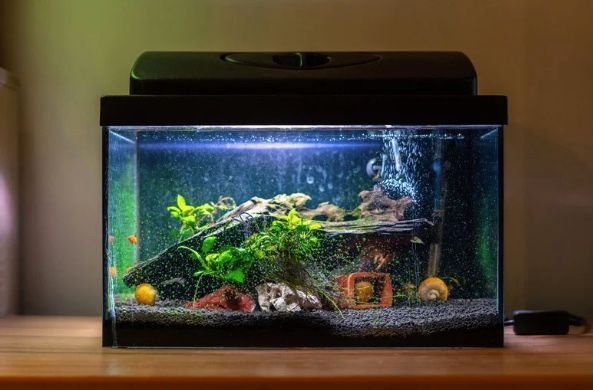
Cloudy fish tank water can be frustrating, especially when your aquarium looked clear just a day or two ago. One moment your fish are swimming in a clean, peaceful tank. The next, the water looks milky, gray, green, or hazy, and you are left wondering what went wrong.
For aquarium owners in Kent, WA, cloudy water is one of the most common reasons people look for fish tank help. The good news is that cloudy water usually has a cause you can identify. Once you understand what is happening inside the tank, you can take the right steps instead of guessing.
Cloudiness may come from new tank bacteria, uneaten food, poor filtration, algae growth, overstocking, or imbalanced water chemistry. With proper aquarium water testing and the right aquarium services, your tank can return to a healthier, clearer condition.
What Causes Cloudy Fish Tank Water?
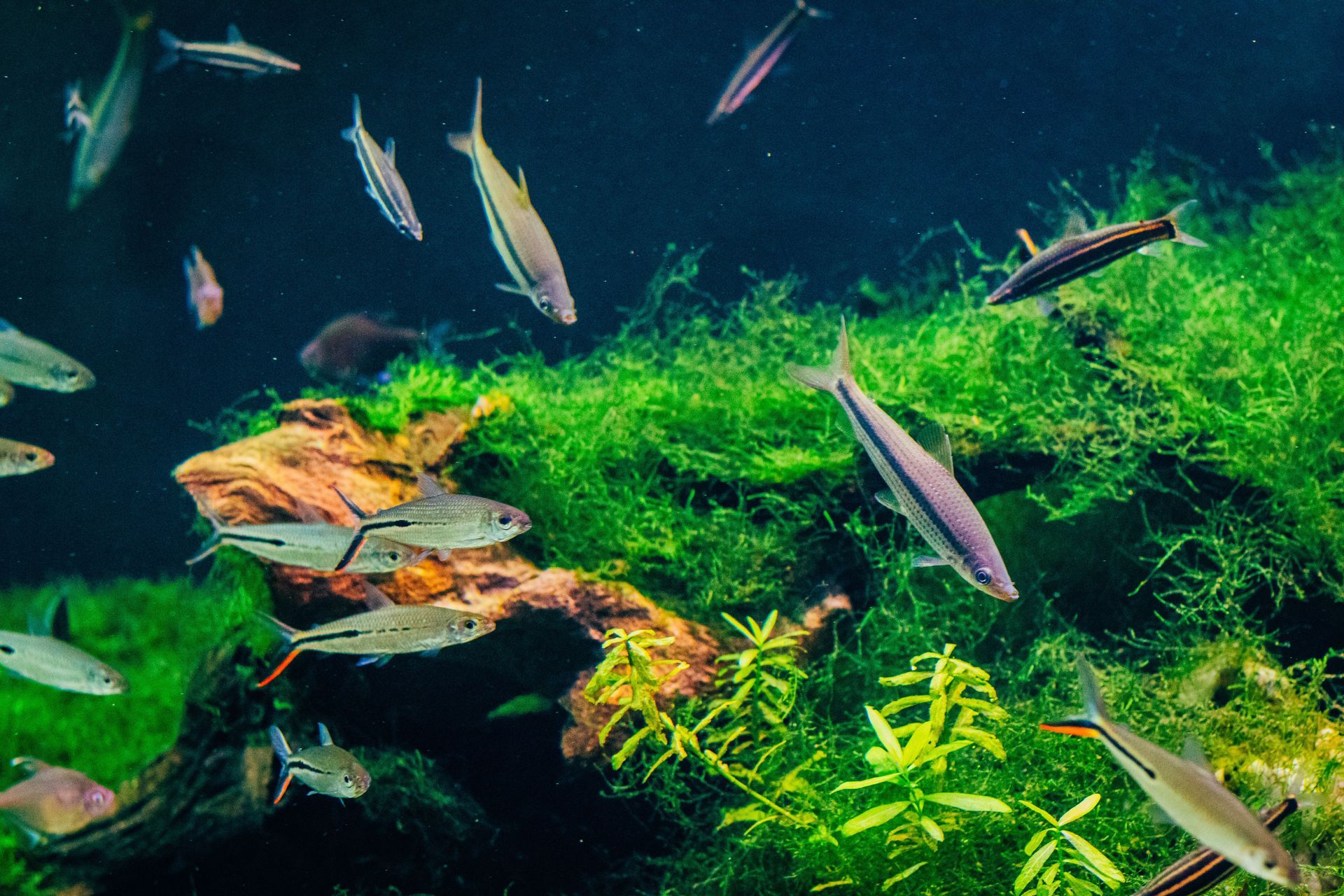
Cloudy fish tank water is not always caused by the same problem. The color, timing, and behavior of the cloudiness can give you clues about what is happening in your aquarium.
Some cloudy water is harmless and temporary. Other cases can point to ammonia, nitrite, algae, or maintenance problems that may stress your fish.
Milky or White Cloudy Water
White or milky water often appears in newer aquariums. This is usually caused by a bacterial bloom, which happens when beneficial bacteria are still trying to establish themselves.
These bacteria help break down fish waste and leftover food. When the tank is still cycling, the bacteria population can multiply quickly, creating a cloudy appearance. This may clear up on its own, but it is still smart to test the water so you know ammonia and nitrite levels are safe.
If your tank has stayed cloudy for more than a few days, aquarium water testing in Kent can help identify whether the issue is part of a normal cycle or something that needs attention.
Green Cloudy Water
Green water is usually caused by algae. Algae can grow quickly when there is too much light, excess nutrients, or an imbalance in the tank.
Direct sunlight, long lighting schedules, overfeeding, and high nitrate or phosphate levels can all contribute to green water. The tank may still look active and alive, but too much algae can make the aquarium harder to maintain and less healthy over time.
Gray or Dirty-Looking Water
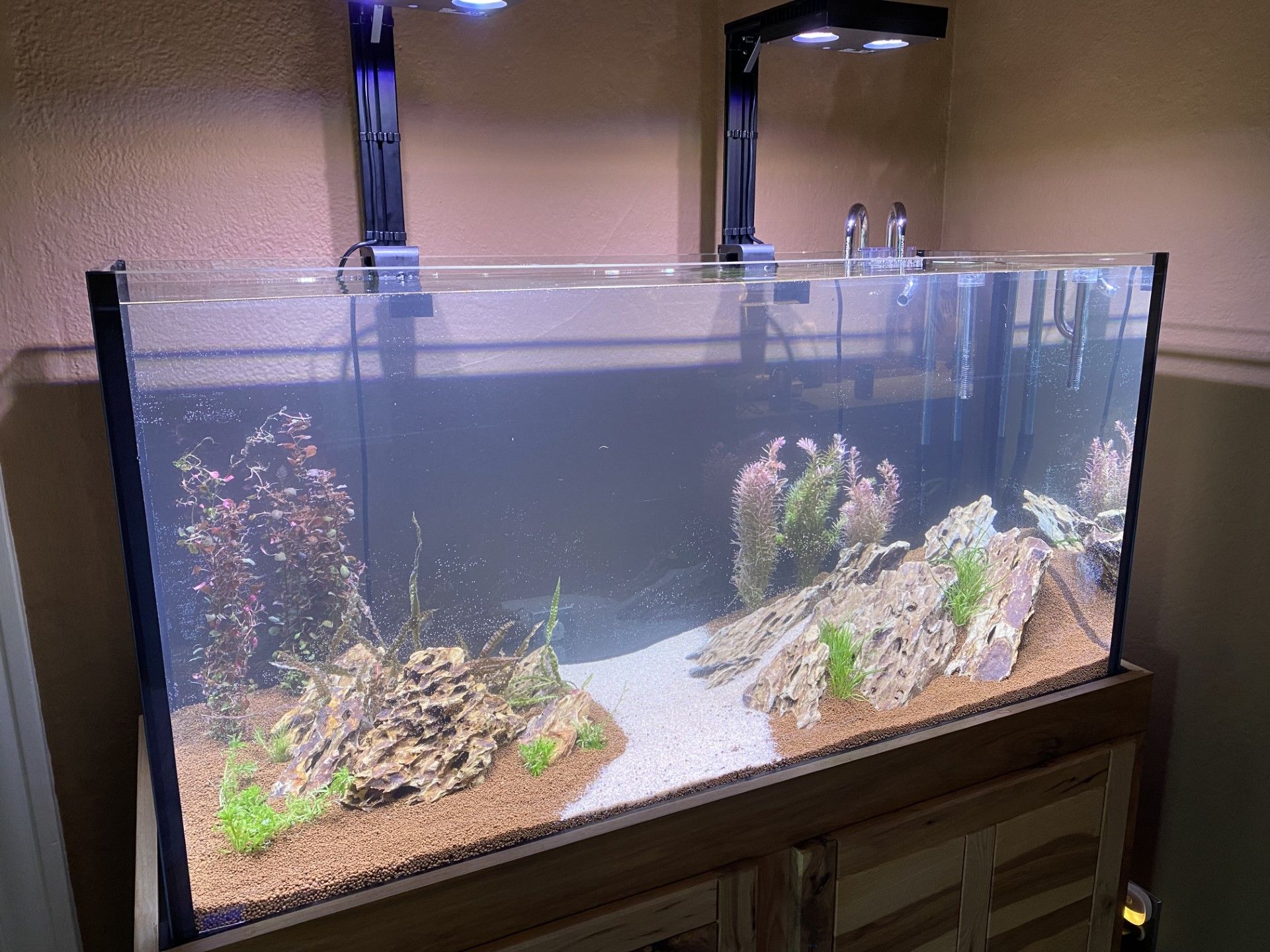
Gray or dirty-looking water often points to debris, poor filtration, excess food, or stirred-up substrate. This can happen after cleaning, moving decorations, adding new gravel, or disturbing the bottom of the tank.
If the water does not settle, your filter may not be strong enough for the tank size or fish load. It could also mean that waste is building up faster than your aquarium system can process it.
Is Cloudy Water Dangerous for Fish?
Cloudy water is not always immediately dangerous, but it should never be ignored. Clear water does not always mean safe water, and cloudy water does not always mean disaster. The key is knowing what is causing the change.
Fish can tolerate some temporary cloudiness, especially in a new tank. However, cloudy water paired with poor water chemistry can create real problems.
Watch Your Fish’s Behavior
Your fish can show early signs that something is wrong. Watch for gasping at the surface, hiding, clamped fins, loss of appetite, unusual swimming, or fish staying near the filter output.
These signs may point to stress, low oxygen, ammonia, nitrite, or sudden water changes. If you notice behavior changes along with cloudy water, test the water quickly.
Check for Ammonia and Nitrite
Ammonia and nitrite are two of the biggest concerns in a cloudy tank. Both can harm fish, even if the tank does not look severely dirty.
A bacterial bloom may appear harmless, but it can happen while the tank is still struggling to process waste. Testing tells you whether the tank is safe or whether you need to act right away.
For nearby aquarium owners who need support outside Kent, aquarium services in Bellevue can also be helpful when cloudy water keeps returning after regular maintenance.
How Aquarium Water Testing Helps Find the Real Problem
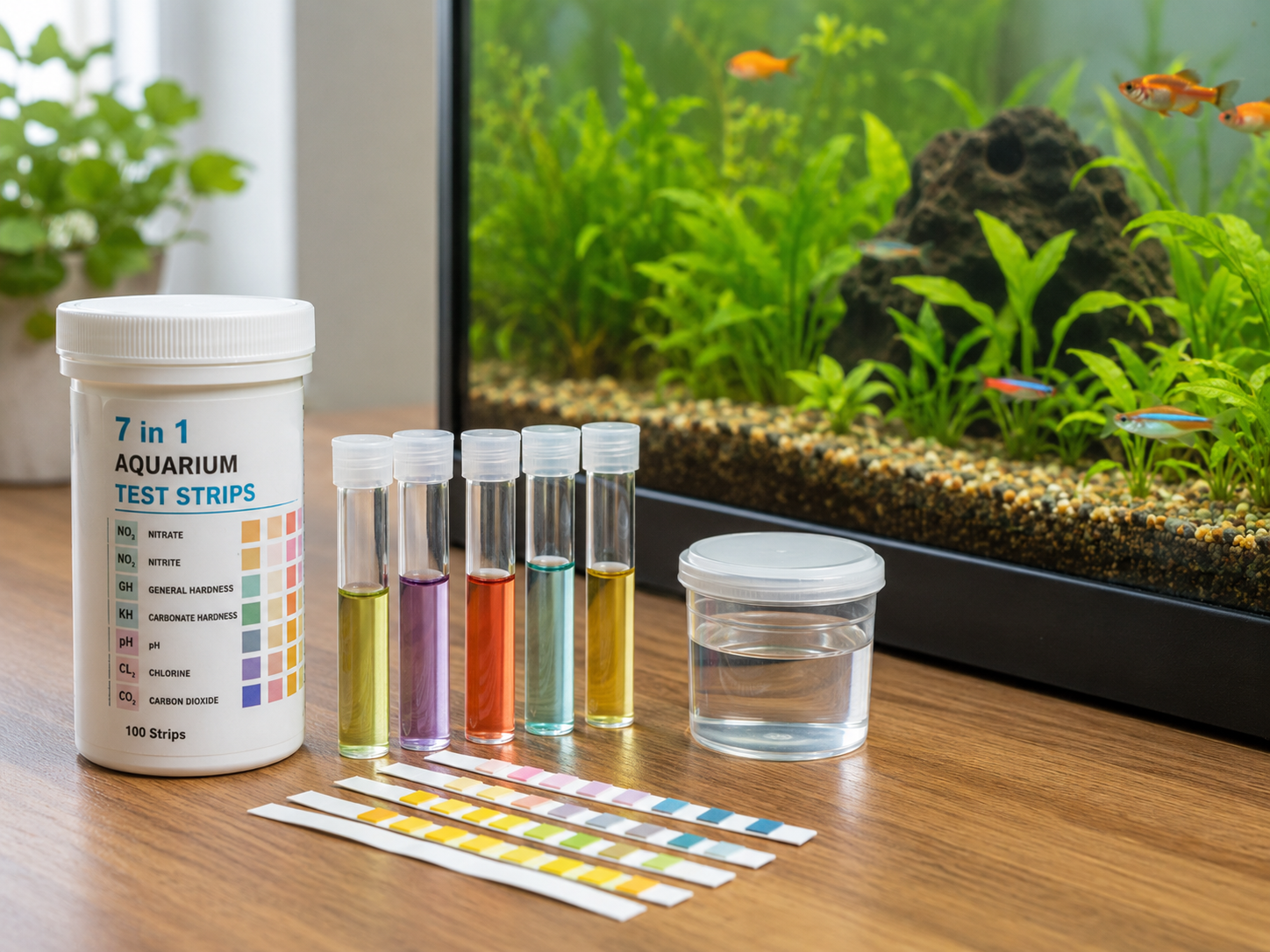
Guessing is one of the biggest mistakes aquarium owners make when dealing with cloudy fish tank water. Adding chemicals, changing too much water, replacing filter media, or cleaning everything at once can sometimes make the issue worse.
Aquarium water testing gives you a clearer picture of what is happening inside the tank. It helps you avoid unnecessary products and focus on the actual cause.
What Should Be Tested?
A good water test should check ammonia, nitrite, nitrate, pH, hardness, and sometimes phosphate depending on the issue. These numbers help explain why the water looks cloudy and whether your fish are at risk.
For example, high nitrate may support algae growth. Ammonia or nitrite may suggest the tank is not fully cycled. A sudden pH swing may stress fish and affect the biological balance.
Why Store Testing Can Be More Reliable
Home test kits are useful, but they can be confusing if you are not sure how to read the results. Expired test kits, rushed testing, or unclear color charts can lead to wrong assumptions.
Professional aquarium water testing can help you understand what the numbers mean and what to do next. Instead of just seeing a result, you get practical fish tank help based on the type of tank, fish, equipment, and maintenance routine you have.
If your water keeps turning cloudy even after water changes, aquarium consulting in Kent can help you review feeding habits, tank size, filtration, stocking levels, and long-term care needs.
How to Clear Cloudy Fish Tank Water Safely
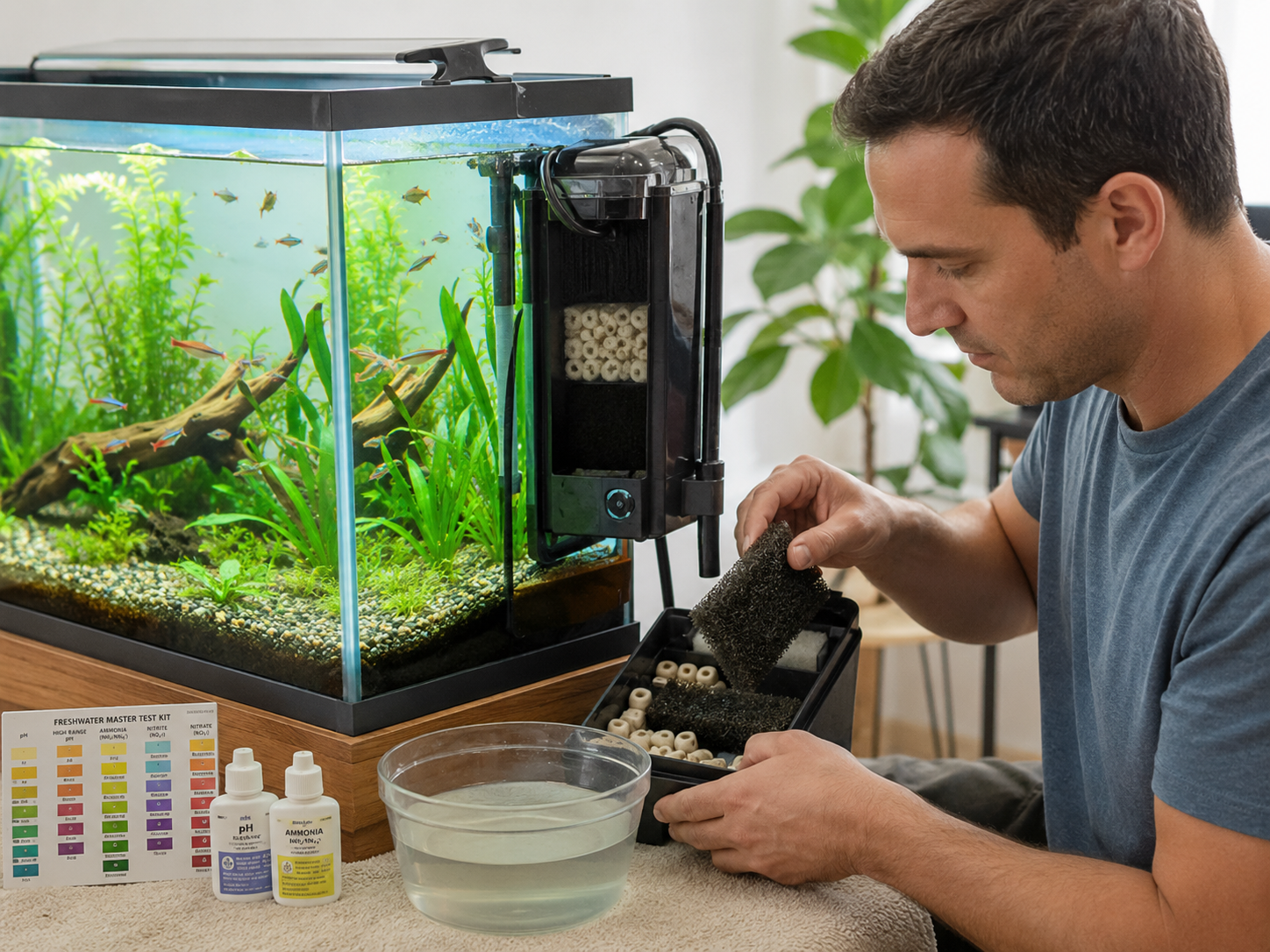
The right fix depends on the cause. Some cloudy water clears with patience. Other cases need better maintenance, water changes, improved filtration, or lighting adjustments.
The safest approach is to make steady corrections instead of rushing into major changes.
Avoid Overfeeding
Overfeeding is one of the most common causes of cloudy water. Uneaten food breaks down quickly and adds waste to the tank.
Feed only what your fish can eat in a short amount of time. Remove excess food when possible. Smaller, controlled feedings can make a big difference in water clarity.
Do Not Replace All Filter Media at Once
Your filter is not just a machine that traps debris. It also holds beneficial bacteria that help keep the tank stable.
Replacing all filter media at once can remove too much of that bacteria and cause water quality problems. Rinse reusable media gently in removed tank water, not untreated tap water, so you do not wipe out the helpful bacteria your aquarium needs.
Adjust Lighting for Algae Problems
If your water is green, lighting may be part of the issue. Reduce the number of hours the aquarium light stays on each day, especially if the tank receives natural sunlight.
A consistent lighting schedule can help control algae. You may also need to test nitrate and phosphate levels to see whether excess nutrients are feeding the bloom.
Improve Filtration and Water Flow
A filter that is too small or clogged may not keep up with your tank. This can leave fine particles floating in the water and allow waste to build up.
Make sure your filter is rated for your aquarium size and fish load. If your tank was recently set up or upgraded, aquarium installation in Renton can be a helpful resource for choosing equipment that matches the aquarium’s needs from the start.
Why Cloudy Water Keeps Coming Back
If cloudy water clears and then returns again, the tank may have an ongoing imbalance. A one-time water change can improve appearance, but it may not solve the reason the cloudiness started.
Recurring cloudy water often points to habits, equipment, or stocking issues that need a closer look.
The Tank May Be Overstocked
Too many fish can create more waste than the tank can handle. Even with a good filter, an overstocked aquarium can become cloudy quickly.
Fish size, behavior, and waste levels all matter. A tank may look large enough at first, but as fish grow, the system may become harder to keep balanced.
Maintenance May Be Inconsistent
Skipping water changes, cleaning too aggressively, or changing routines too often can all affect water quality. Aquariums do best with steady care.
A regular schedule for testing, partial water changes, filter maintenance, and observation can prevent many cloudy water issues. This is where ongoing aquarium services can save time and reduce stress for busy aquarium owners.
The Aquarium Setup May Need Better Planning
Some tanks are harder to maintain because of their original design. Poor filter placement, low water flow, too many decorations, or the wrong substrate can create dead spots where debris collects.
For larger or more specialized systems, custom aquariums in Seattle can help aquarium owners plan a setup that supports both beauty and long-term water stability.
Cloudy Aquarium Water Help in Kent, WA
Aquarium conditions in Kent, WA, can vary depending on tank setup, household routines, water source, and how often maintenance is performed. Local aquarium owners may deal with cloudy water after a new tank setup, seasonal lighting changes, vacations, overfeeding, or adding new fish. Working with a local pet store that understands aquarium services, water testing, and fish care can make it easier to solve the problem without guessing.
Get Aquarium Help from Sierra Fish & Pets
If cloudy fish tank water keeps coming back, Sierra Fish & Pets can help you find the cause and choose the right next step. Call 425-226-3215 to get aquarium help in Kent, WA, including aquarium water testing, aquarium services, and practical fish tank support.
Frequently Asked Questions
Why is my fish tank cloudy after a water change?
Cloudiness after a water change can happen when debris is stirred up, bacteria react to sudden changes, or untreated water affects the tank balance. It may clear within a day, but you should test the water if fish seem stressed. Avoid changing too much water at once unless there is an emergency.
How long does cloudy fish tank water take to clear?
Some cloudy water clears within 24 to 72 hours, especially if it is from disturbed gravel or a mild bacterial bloom. If it lasts longer, gets worse, or returns often, there may be a water quality issue. Aquarium water testing can help confirm what is happening.
Should I keep doing water changes until the tank is clear?
Not always. Too many water changes can disrupt the tank and slow down the natural balance. It is better to test the water first, then make controlled changes based on the results.
Can overfeeding make aquarium water cloudy?
Yes. Extra food breaks down in the tank and creates waste that can cloud the water. Feed smaller amounts and remove uneaten food when possible. This simple change can improve water clarity and reduce stress on your filter.
When should I get professional fish tank help?
Get fish tank help if the water stays cloudy for several days, turns green, smells bad, or comes with unusual fish behavior. You should also ask for help if ammonia or nitrite is present. Fast action can protect your fish and prevent the issue from becoming harder to fix.
Cloudy fish tank water is a sign that your aquarium needs attention, not a reason to panic. With the right testing, steady care, and expert guidance, most cloudy water issues can be corrected safely. For aquarium owners in Kent, WA, Sierra Fish & Pets is ready to help you understand the problem and get your tank back on track.